Can Dogs Eat Peanut Butter? Safe Serving Sizes & Ingredients to Avoid
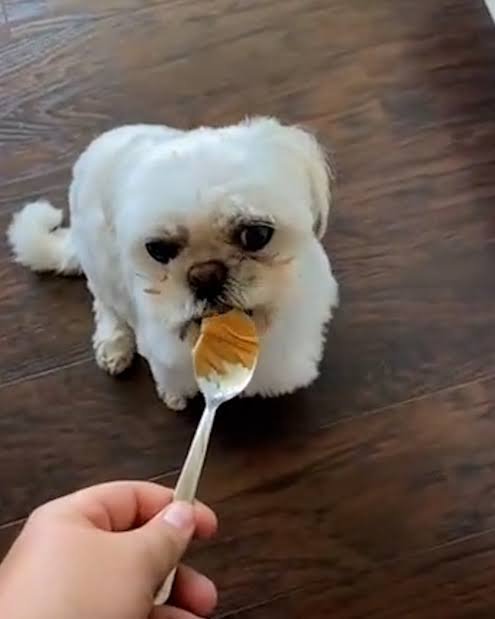
Few treats excite a dog quite like the sight of a peanut butter jar. Pet owners routinely use it to fill chew toys, disguise foul-tasting medication, or simply reward good behavior during training sessions.
In moderation, standard peanut butter is a nutritious, protein-rich treat packed with healthy fats, vitamin E, and niacin. However, feeding your dog the wrong jar can lead to an emergency room visit.
Before scooping out another spoonful, here is what you need to verify on the nutrition label, the toxic additive you must avoid, and safe serving portions based on your dog’s size.
The Dangerous Ingredient: Xylitol (Birch Bark Extract)
Most standard commercial peanut butter brands (like traditional Jif or Skippy) contain peanuts, salt, and oil, which are safe in small quantities. However, many health-focused, low-sugar, or specialty brands substitute cane sugar with artificial sweeteners.
The most dangerous artificial sweetener is Xylitol (often listed on newer labels as birch bark extract or wood sugar).
While completely harmless to humans, Xylitol is extremely toxic to canines:
- Severe Hypoglycemia: When ingested by a dog, Xylitol triggers a massive, rapid release of insulin, driving blood sugar levels dangerously low within 10 to 60 minutes.
- Acute Liver Failure: Even minor exposure can cause irreversible hepatic necrosis and sudden liver collapse.
Rule of Thumb: Always inspect the ingredient list before offering peanut butter. If you see the word “Xylitol” or “sugar-free”, keep it far away from your dog.
Ingredients You DO Want to See
The safest peanut butter for your dog contains only one or two ingredients:
- Roasted peanuts
- Salt (minimal or completely unsalted)
Natural peanut butter where the oil separates to the top is generally the best choice. Avoid jars packed with hydrogenated vegetable oils, added palm oils, high fructose corn syrup, or flavor additives like chocolate and nutmeg (both of which are toxic to dogs).
Safe Serving Sizes: The 10% Treat Rule
Peanut butter is calorie-dense and loaded with fats. Even though these fats are largely healthy, excessive amounts can quickly lead to weight gain, digestive upset, and painful pancreatitis (inflammation of the pancreas).
Treats should never exceed 10% of your dog’s total daily caloric intake. Use these guidelines based on your dog’s weight:
| Dog Size | Body Weight | Maximum Serving Size | Frequency |
|---|---|---|---|
| Small | Under 20 lbs (9 kg) | 1/2 teaspoon | 1–2 times per week |
| Medium | 20 to 50 lbs (9–23 kg) | 1 teaspoon | 2–3 times per week |
| Large | Over 50 lbs (23+ kg) | 1 tablespoon | 2–3 times per week |
3 Smart Ways to Serve Peanut Butter
- The Frozen Distraction Toy: Spoon a tablespoon of peanut butter inside a hollow rubber toy (such as a KONG), plug the top with a piece of kibble, and freeze it for two hours. This turns a high-value treat into a 30-minute mental enrichment game that relieves stress.
- The Pill Disguise: Hiding a bitter pill inside a dab of thick peanut butter masks the scent and texture, allowing your dog to swallow the medicine without chewing or spitting it out.
- Bathing & Grooming Distraction: Spread a thin layer of peanut butter on a silicone lick mat suctioned to your bathtub tile to keep your dog still and calm during grooming or nail clipping.
Can Puppies Have Peanut Butter?
Yes, puppies can safely enjoy natural peanut butter in tiny amounts once they are fully weaned onto solid food. Because young digestive tracts are sensitive, start with a tiny smear on the tip of your finger. Watch for signs of an allergic reaction or digestive intolerance (such as loose stool, gas, facial swelling, or severe itching) over the following 24 hours before making it a regular reward.
The Verdict
Peanut butter is an excellent, enriching reward for your dog as long as you double-check the label for Xylitol, stick to pure peanut ingredients, and practice strict portion control.