New Puppy Checklist: 10 Day-One Essentials You Actually Need
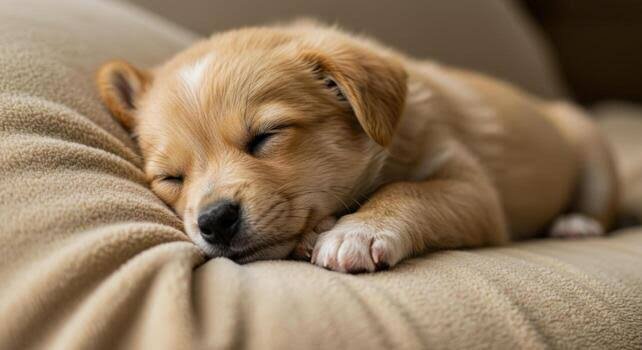
Bringing home a new puppy is an unforgettable milestone, but walking into a pet store without a plan can quickly drain your wallet. Pet aisles are packed with flashy gadgets, designer beds, and endless gourmet treats—most of which your puppy will either ignore or outgrow in three weeks.
When your puppy steps through your front door on day one, they do not need luxury. They need safety, a predictable routine, and basic comfort to help ease the transition away from their mother and littermates.
Here is the straightforward, no-fluff checklist of the ten essentials you actually need on day one.
1. A Sturdy Crate with a Divider Panel
A crate is not a punishment; it is your puppy’s personal den and your single most effective potty-training tool.
Dogs have a natural instinct to avoid soiling their sleeping quarters. Buy a crate sized for your puppy’s expected adult size, but make sure it includes an adjustable divider panel. If the crate is too large on day one, your puppy will sleep on one side and use the other corner as a bathroom. Adjust the divider so they have just enough room to stand up, turn around, and lie down comfortably.
2. Stainless Steel Food and Water Bowls
Skip decorative ceramic or cute plastic dishes. Plastic bowls scratch easily, harboring bacteria that can cause canine chin acne. Puppies also love using lightweight plastic dishes as chew toys.
Choose heavy, non-tip stainless steel bowls with a rubber non-slip base. They are hygienic, dishwasher-safe, chew-proof, and last a lifetime.
3. The Exact Food Your Breeder or Shelter Used
Sudden dietary changes trigger intense digestive upset and diarrhea—the last thing you want to manage on your first night home.
Find out the exact brand and formula the breeder, shelter, or rescue was feeding your puppy. Keep them on that exact food for at least the first 10 to 14 days. Once your pup settles in, you can gradually transition them over 7 to 10 days to your preferred high-quality puppy kibble by mixing increasing ratios of the new food.
4. An Enzymatic Urine Cleaner
Standard household disinfectant sprays or bleach may remove the smell for human noses, but they leave behind microscopic ammonia scents. A puppy’s nose will easily detect those traces and treat the exact same spot as their designated indoor bathroom.
Keep a bottle of enzymatic cleaner (such as Nature’s Miracle or Simple Solution) ready. Enzymatic formulas break down the uric acid crystals completely, preventing repeat accidents in the house.
5. A Fixed 6-Foot Nylon Leash & Adjustable Flat Collar
Keep walking gear simple:
- The Collar: Choose a standard nylon flat buckle collar with an ID tag showing your phone number. Ensure you can comfortably fit two fingers between the collar and their neck.
- The Leash: Use a standard 4-foot to 6-foot nylon or leather lead.
- Avoid Retractable Leashes: Retractable flexi-leads teach puppies to pull against tension, provide poor control near traffic, and can cause friction burns or cord snaps.
6. Durable Rubber Teething Toys (KONG)
Puppies explore the world through their mouths. Teething gums are sore, and chewing provides immediate physical relief and stress reduction.
Invest in two durable rubber chew toys (like a classic puppy KONG) and a soft textured teething ring. Avoid toys with small plastic eyes or squeakers that can be chewed off and swallowed.
Pro Tip: Stuff a classic KONG with a small smear of plain peanut butter (verify it is 100% xylitol-free) or wet kibble and freeze it. The cold rubber soothes inflamed gums for an hour.
7. Simple, Soft Bedding (That You Don’t Mind Ruining)
Do not buy an expensive orthopedic memory-foam bed on day one. Most puppies will dig into it, chew the zippers, or have an accident on it within 48 hours.
Start with soft, machine-washable fleece blankets or inexpensive vet fleece. They provide warmth, are easy to throw into the washing machine at 60°C, and are cheap to replace if chewed.
8. Training Treats and a Treat Pouch
Your puppy’s brain is a sponge from the moment they arrive. You need a way to immediately reward good behaviors—like going potty outside or sitting calmly.
Choose low-calorie, soft training treats that can be broken into pea-sized bits. Avoid hard biscuits on day one, as puppies take too long to chew them, disrupting the training flow. Single-ingredient freeze-dried meat treats work best to keep delicate stomachs stable.
9. Dog Waste Bags and a Dispenser
Accidents and potty breaks happen fast. Puppies typically need to eliminate every 45 to 60 minutes while awake, plus immediately after eating, drinking, playing, or waking up.
Keep rolls of waste bags clipped to your leash and placed near the back door so you are never caught unprepared during outdoor potty trips.
10. A Snuggle Puppy or Warm Water Bottle
Leaving the litter is traumatic for a young pup. The sudden silence of an empty room at night often causes whining and crying.
A heartbeat toy (like the Snuggle Puppy, which contains a pulsing vibration and heat pack) simulates the warmth and presence of littermates. It significantly reduces first-week night-time separation anxiety and helps your puppy settle into their crate quietly.
3 Costly Rookie Mistakes to Avoid on Day One
- Buying clothes or fancy boots: Puppies outgrow gear in weeks and need to get comfortable with basic handling before dealing with accessories.
- Leaving free-choice food out all day: Feed on a strict schedule (usually 3 meals a day). Scheduled feeding leads directly to predictable, scheduled bowel movements.
- Skipping the vet appointment booking: High-quality vet clinics often book weeks in advance. Schedule your puppy’s introductory check-up and vaccination booster round as soon as you know your adoption date.
What to Do Right Now
Set up the crate, place the bowls in the kitchen, and set your timer for frequent outdoor trips. Focus on calm bonding, positive reinforcement, and consistent boundaries from day one—your puppy will settle in faster than you think!